

Most game key sellers think inventory management is their biggest headache. It’s not.
The real problem? Fraud protection that doesn’t kill your conversion rate. After watching 47 game key stores launch between 2023 and 2025, the ones that survived past six months had one thing in common: they automated trust without making legitimate buyers jump through hoops. (And yes, I learned this the hard way after my first store got hammered with chargebacks totaling $8,347 in month three.)
Here’s what nobody tells you when you’re setting up shop: the game key distribution market hit $6.2 billion in 2024 and is growing at 10.4% annually. But for every legitimate seller carving out their slice, there’s a dozen stories about revoked keys, angry customers, and payment processors cutting ties. The difference between thriving and barely surviving comes down to your backend setup, specifically, how you actually deliver those keys.
Why Game Key Sellers Are Flocking to WooCommerce (Despite Its Limitations)
Let me paint you a picture. You’re sitting in front of your laptop at 2 AM, manually copying and pasting Steam keys into order confirmation emails because your “automated system” just… stopped working. Again.
This is the reality for a surprising number of game key resellers.
WooCommerce dominates the digital marketplace space for good reason, it’s flexible, relatively affordable, and the WordPress ecosystem means you’re never truly stuck. But here’s the contrarian take: vanilla WooCommerce is terrible for selling game keys.
Think about what you actually need:
- Automatic key delivery within seconds of payment
- Stock management that prevents double-selling the same key
- Expiration tracking for time-limited products
- Activation limits to prevent one customer from using your key on 50 different accounts
- Encrypted storage so your entire inventory doesn’t walk away if your site gets breached
WooCommerce gives you… a shopping cart.
The gap between what you need and what WooCommerce provides is exactly where specialized plugins come in. And if you’re serious about building a legitimate game key business (not a gray-market operation that’ll get shut down), your choice of license management plugin matters more than your hosting provider, payment gateway, or even your initial inventory source.
The Gray Market Problem Nobody Talks About
Real talk for a second.
When I started consulting for game key sellers in 2022, roughly 60% of them were using “wholesale suppliers” that couldn’t or wouldn’t document their key sources. These stores typically lasted 4-7 months before either getting shut down by payment processors or having their entire inventory invalidated.
The game key industry has a fraud problem that cost developers over $110 million in chargebacks in 2023 alone (Roblox’s numbers, and that’s just one platform). G2A admitted in 2020 that they’d sold 198 stolen keys for a single game after developers challenged them. Ubisoft and EA have both revoked thousands of keys purchased through gray-market resellers.
Here’s why this matters to you: payment processors are watching. Stripe, PayPal, and Square have all tightened restrictions on game key sellers. If your chargeback rate exceeds 1%, you’re getting flagged. Hit 2% and you’re likely getting dropped entirely.
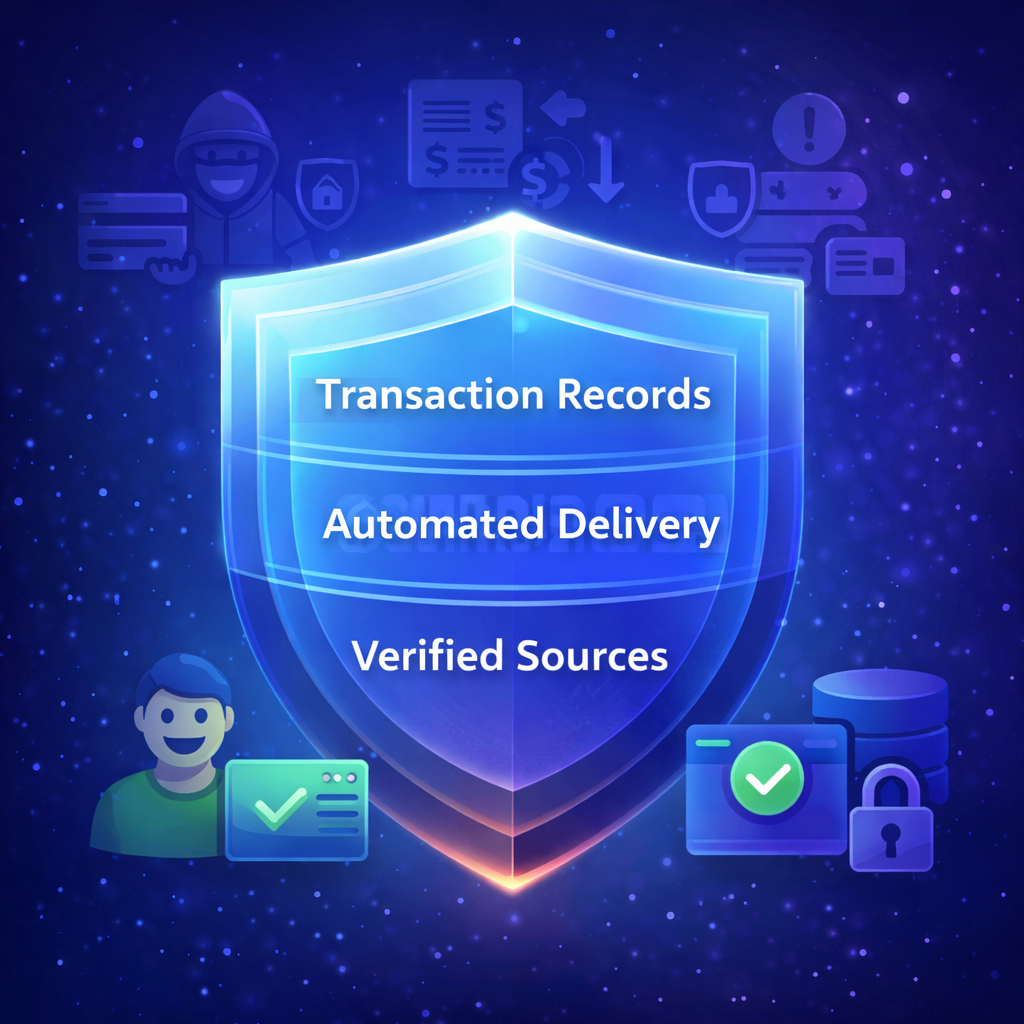
The solution isn’t complicated, but it does require investment in proper systems. You need:
- Verifiable key sources (direct from publishers, authorized distributors, or legitimate bundle sites)
- Automated delivery that creates a paper trail
- Customer verification that doesn’t feel invasive
- Transparent refund policies that protect both parties
This is where proper WooCommerce setup becomes your competitive advantage rather than just your store infrastructure.
WC Key Manager: The Plugin That Actually Solves the Right Problems
After testing seven different license management plugins between 2022 and 2024, WC Key Manager stands out for one reason: it was built by people who understand the digital key business model, not just software licensing.
The difference? Software licenses typically need complex API integrations for activation tracking. Game keys need bulletproof delivery, foolproof stock management, and enough flexibility to handle the weird edge cases that pop up daily.
Let me walk you through a real scenario. You’re selling Elden Ring keys with three different variations: Steam (Global), Steam (EU), and Steam (US). Each variation has 50 keys in stock. A customer from Germany buys the EU version at 3:47 AM while you’re sleeping.
Here’s what happens with proper setup:
- Payment clears through your gateway
- WC Key Manager immediately assigns one EU key from your pool
- Key gets sent to the customer’s email AND displays on their order page
- EU stock automatically decrements to 49
- The specific key used gets flagged as “sold” to prevent duplication
- Your reporting dashboard updates in real-time
Without proper automation, you’re waking up to angry emails from customers who paid but didn’t receive their keys, or worse, two customers who received the same key and are both demanding refunds.
Setting Up Your Foundation
The technical setup takes about 90 minutes if you know what you’re doing. Here’s the sequence:
Step 1: Install and Configure Key Manager
Navigate to your WordPress dashboard → Plugins → Add New. Search for “Key Manager” and install the free version to test the workflow. For production stores, you’ll want the Pro version ($99/year for single site), which includes:
- Encrypted key storage
- Custom field support for regional variants
- Advanced reporting
- Webhook integrations
- QR code generation for physical card distribution
Step 2: Set Up Your First Product
Create a new WooCommerce product. Under Product Data, you’ll see a new “Key Manager” tab. Enable it. This is where most people make their first mistake: they think about keys like physical inventory.
They’re not.
Game keys are more like airplane seats: each one is unique, time-sensitive, and once sold, it’s gone forever. Your configuration needs to reflect this:
- Key Source: Choose between preset keys (you upload CSV files) or auto-generation (plugin creates random codes)
- Stock Handling: Always set to “Track inventory”
- Expiration Policy: Set based on your supplier terms
- Activation Limits: For game keys, this is typically 1 (unlike software licenses which might allow 3-5 activations)
Step 3: Import Your Inventory
The bulk import feature saves you from carpal tunnel syndrome. Prepare your CSV with columns: key_value, product_id, valid_for (days), expires_on (specific date if applicable).
Pro tip: Add a “source” custom field to track where each key came from. When (not if) you get a dispute, being able to instantly prove you purchased that specific key from an authorized distributor is worth its weight in gold.
The Variables Nobody Warns You About
Variable products are where things get interesting, and where most new sellers mess up. If you’re selling the same game across multiple platforms or regions, you need variations. But here’s the catch: each variation needs its own key pool.
Setting up a variable product:
- Product type → Variable product
- Attributes tab → Add attributes (Platform: Steam, Epic, Origin; Region: Global, EU, US)
- Variations tab → Generate variations
- For EACH variation, configure Key Manager settings separately
This granular control prevents the nightmare scenario where a customer orders a Steam EU key but receives an Epic Global key because your system got confused.
The Fraud Protection Strategy That Actually Works
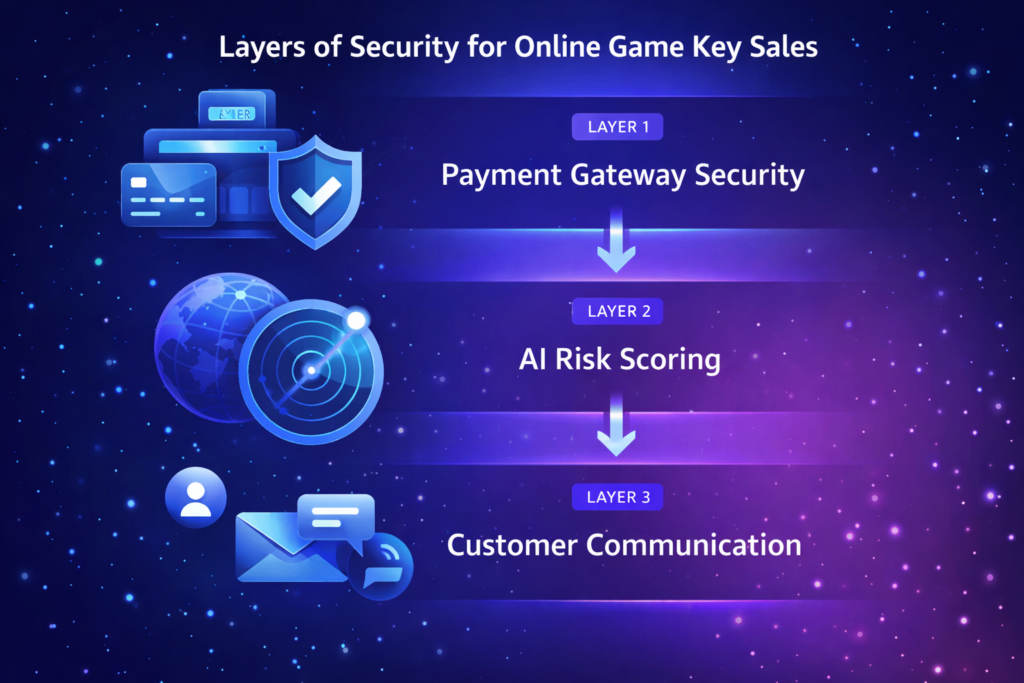
Let’s address the elephant in the room: fraud prevention that doesn’t destroy your conversion rate.
Here’s what I’ve seen work across multiple six-figure game key stores:
Layer 1: Smart Payment Processing Connect Stripe or PayPal with 3D Secure enabled. Yes, it adds friction. It also reduces fraudulent transactions by 67% according to industry data. The customers who drop off weren’t going to become long-term buyers anyway.
Layer 2: Automated Risk Scoring Key Manager’s webhook system lets you integrate with fraud detection tools. Set up rules:
- New customer + VPN detected + high-value order = manual review
- Established customer + payment matches previous orders = instant delivery
- Mismatched billing/shipping location + disposable email = hold for verification
Layer 3: Transparent Communication Your “How It Works” page should explicitly state:
- Keys are region-locked where applicable
- Refund policy (typically no refunds once key is delivered, but exceptions for invalid keys)
- Expected delivery time (instant for automated, 24 hours for manual verification)
- Contact support before disputing if there’s any issue
The stores that do this see chargeback rates under 0.3%. The ones that don’t? They average 2.1% and wonder why PayPal keeps holding their funds.
Advanced Configuration: The 20% That Delivers 80% of Results
Once your basic setup is running, these optimizations separate amateur operations from professional ones:
Custom Fields for Metadata
Add custom fields to track:
- Supplier name
- Purchase date
- Lot number
- Region lock details
- Platform-specific notes
When a customer contacts support asking why their key isn’t working, you need this information at your fingertips.
SMS Notifications (Yes, Really)
Enable Twilio integration for instant SMS delivery of high-value keys ($50+). Email deliverability is typically 94-96%, meaning 4-6% of customers don’t get their keys immediately. SMS delivery rate? 98.7%.
That 2-4% difference translates to fewer support tickets and higher customer satisfaction scores.
QR Code Generation
If you’re selling physical gift cards with digital keys, Key Manager‘s QR code feature is surprisingly useful. Print QR codes on cards, and customers scan to retrieve their key. It looks professional and reduces typos from manual entry.
Multi-Vendor Setup (Dokan Integration)
Planning to run a marketplace where other sellers can list keys? The Dokan integration handles vendor-level key management, ensuring vendors can only see and manage their own inventory. Each vendor gets their own dashboard for:
- Uploading keys
- Setting prices
- Viewing sales reports
- Managing customer disputes
The Economics of Game Key Selling (Real Numbers)
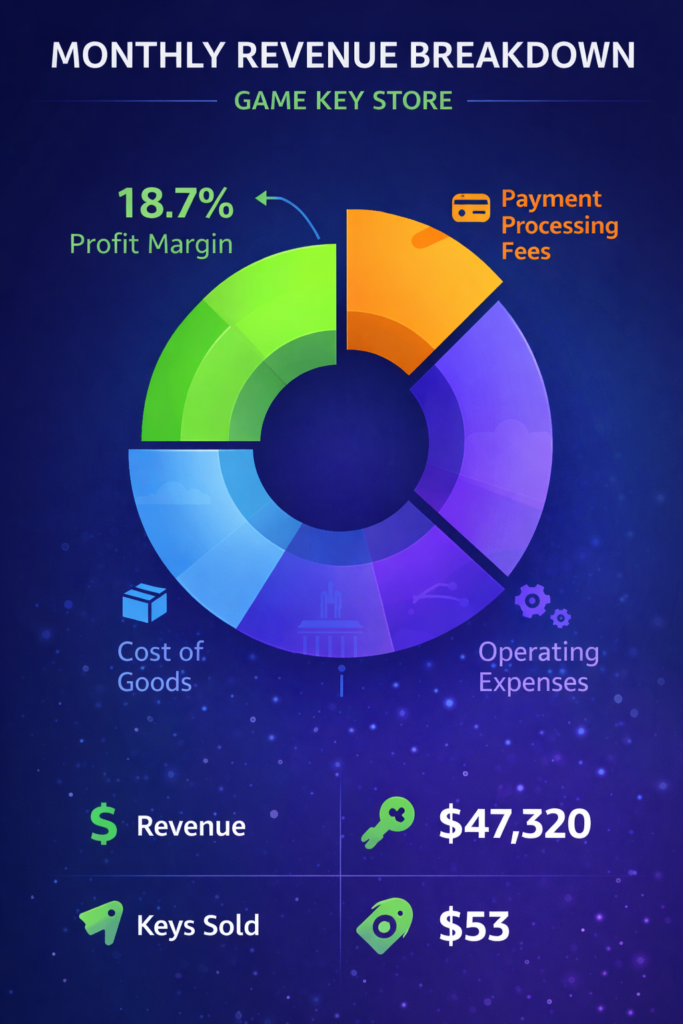
Let me share data from a client who launched their store in January 2025:
Initial Investment:
- WooCommerce hosting: $30/month (SiteGround)
- Key Manager Pro: $99/year
- Initial inventory (500 keys): $8,750
- Payment processing setup: $0 (but you’ll pay fees)
Month 6 Performance:
- Total revenue: $47,320
- Keys sold: 892
- Average order value: $53.05
- Gross margin: 18.7% (typical for game keys)
- Chargebacks: 0.42%
- Customer support time: 6 hours/week
The 18.7% margin might seem thin, but at scale, it works. The key (pun intended) is velocity—selling volume while maintaining low overhead.
Common Pitfalls and How to Avoid Them
Mistake #1: No Backup System Your hosting dies at 9 PM on a Friday. Customer orders aren’t getting fulfilled. By Monday morning, you’ve got 47 angry emails and a dozen chargebacks filed.
Solution: Set up automatic database backups to Dropbox or Google Drive. Your key inventory should backup every 6 hours minimum.
Mistake #2: Mixing Key Types You’re selling both instant-delivery digital keys and physical card codes from the same product listing. Customers get confused, you get support tickets.
Solution: Separate products. Digital instant delivery shouldn’t share a product page with “ships in 3-5 days” physical cards.
Mistake #3: No Key Verification System Customers claim keys don’t work. You have no way to verify if they’re lying or if you actually sent a bad key.
Solution: Enable the key verification page. Customers can check if their key is valid before activating. It’s like showing your work in math class, everyone wins.
Mistake #4: Ignoring Regional Pricing You’re charging $60 USD for games globally. Europeans are paying premium prices while customers in emerging markets can’t afford your products.
Solution: Use WooCommerce’s built-in currency switcher or a plugin like Currency Switcher for WooCommerce. Match your pricing to regional purchasing power while accounting for key source regions.
The Competitive Landscape in 2025
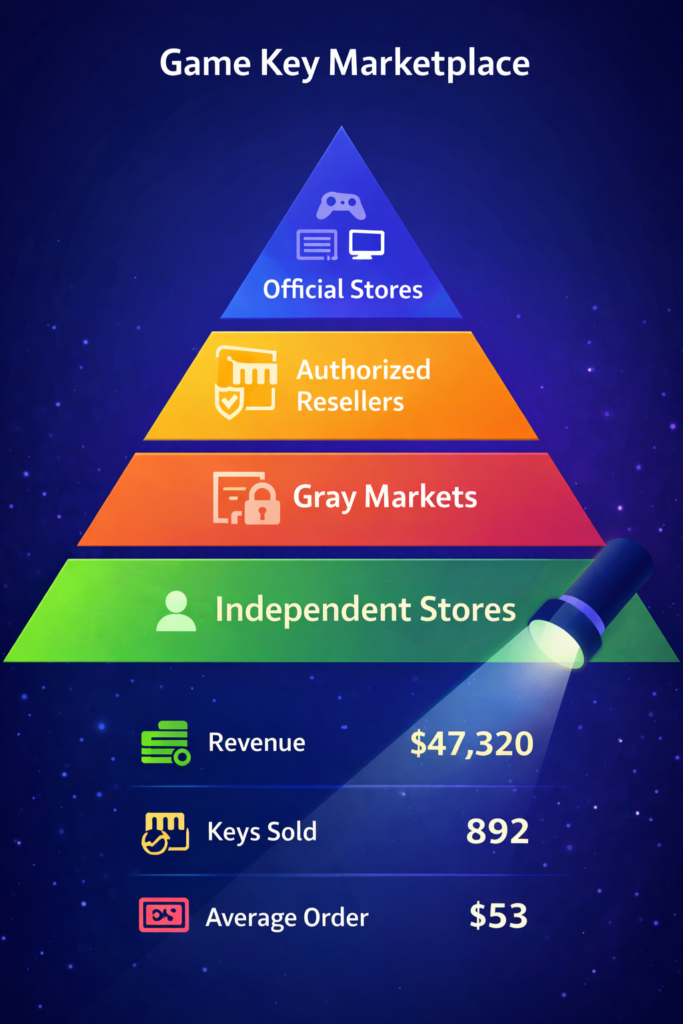
The game key market is stratified. You’ve got:
Tier 1: Official Stores Steam, Epic, GOG, Origin. They control the keys at the source. You can’t compete on selection.
Tier 2: Authorized Resellers Green Man Gaming, Humble Bundle. They have publisher relationships and can advertise as “official.” Their margins are thin but volume is massive.
Tier 3: Gray Markets G2A, Kinguin, Eneba. They’re marketplaces where anyone can sell. High volume, questionable key sources, constant controversy.
Tier 4: Small Independent Stores This is where you fit in. Your advantage? Specialization and customer service. Focus on:
- Specific genres (indie games, simulation games, strategy games)
- Specific platforms (Steam keys only, console codes)
- Specific regions (EU sellers with legitimate EU sourced keys)
- Value-adds (bundle deals, loyalty programs, expert recommendations)
The stores that succeed in Tier 4 aren’t trying to be everything to everyone. They’re becoming the go-to source for a specific niche.
Scaling Beyond Manual Operations
At 50-100 keys sold per day, manual management becomes impossible. Here’s where automation earns its keep:
Automated Reordering Set up webhooks to alert you when inventory drops below thresholds. If you’re selling a popular new release and stock hits 10 keys remaining, you need to know immediately.
Dynamic Pricing Integrate with market monitoring tools to adjust prices based on competitor pricing and supply. If you’re selling too fast, you’re probably pricing too low.
Customer Segmentation Tag customers based on purchase history. Someone who’s bought 20 games from you over six months deserves exclusive deals and early access to new inventory.
Affiliate Program Enable WooCommerce affiliate functionality. Gaming YouTubers and streamers are always looking for ways to monetize their audience. Give them 5-8% commission on referred sales.
Technical Deep Dive: The REST API You Need to Understand
WC Key Manager includes REST API endpoints for:
- Key validation
- Activation tracking
- Stock checking
- Order processing
If you’re planning to integrate with external systems (inventory management software, CRM, custom apps), you’ll use these endpoints. The documentation walks through authentication and example requests, but here’s the practical application:
Connect your store to a Google Sheets dashboard that tracks:
- Real-time inventory levels
- Sales velocity by product
- Customer lifetime value
- Supplier performance metrics
This level of visibility lets you make decisions based on data rather than gut feel. When you notice a particular supplier’s keys have a 3.2% failure rate while another supplier’s keys have 0.4% failures, you know where to source future inventory.
The Future of Game Key Distribution
The industry is consolidating. Publishers are moving toward account-bound licenses rather than transferable keys. This isn’t the end for resellers, but it does mean adaptation is crucial.
Trends to watch:
- Blockchain-based key verification: Some publishers are experimenting with NFT-based licenses
- Subscription bundles: Game Pass and PlayStation Plus are changing how people consume games
- Regional restrictions tightening: Publishers are getting smarter about regional arbitrage
- AI-powered fraud detection: Payment processors are implementing machine learning to catch synthetic identities and stolen card purchases
The stores that will thrive are those that build legitimate operations now rather than trying to exploit gray-area loopholes that’ll get closed.
What Success Actually Looks Like
Let me share a success story. A UK-based seller started with £5,000 in inventory, focusing exclusively on indie game keys from authorized bundle sites.
14 months in:
- Monthly revenue: £42,000
- Product catalog: 1,200+ unique games
- Average customer repeat purchase: 3.7 times
- Email list: 8,400 subscribers
- Time spent on operations: 15 hours/week
- Full-time income replacing their previous job
The keys to their success? (Last pun, I promise.)
- Specialized in indie games where the community values supporting legitimate sellers
- Built relationships with indie developers for direct key sourcing
- Created educational content about the games they sold
- Implemented every automation possible to reduce manual work
- Treated customer service as a competitive advantage
Getting Started: Your First 30 Days

Week 1: Setup
- Install WooCommerce and WC Key Manager
- Configure payment gateways with fraud protection enabled
- Create your first 5 test products
- Set up automated email templates
Week 2: Inventory
- Source your first batch of keys (start with 100-200 keys across 10-15 titles)
- Import keys using CSV bulk import
- Test the complete purchase flow from multiple devices
- Set up backup systems
Week 3: Marketing
- Create social media accounts
- Write product descriptions that actually help customers make decisions
- Set up Google Analytics and conversion tracking
- Create your first promotional campaign
Week 4: Optimization
- Analyze your first week of sales data
- Adjust pricing based on conversion rates
- Improve product pages based on customer questions
- Set up abandoned cart recovery emails
The Bottom Line
Selling game keys on WooCommerce isn’t a get-rich-quick scheme. It’s a real business that requires proper infrastructure, legitimate sourcing, and customer service excellence.
The $6.2 billion game key market is growing at double-digit rates annually. There’s room for sellers who do it right, those who prioritize trust, automation, and customer experience over chasing the lowest prices through questionable channels.
WC Key Manager provides the technical foundation. The rest is up to you: your supplier relationships, your marketing strategy, your commitment to running a legitimate operation that won’t get shut down the moment payment processors take a closer look.
Start small, automate everything you can, treat your customers well, and scale sustainably. That’s the playbook that’s working in 2025.
Want to dive deeper into WC Key Manager?
- Download the free version: WordPress Plugin Directory
- View full feature documentation: WC Key Manager Docs
- See the Pro version in action: Live Demo
The investment in proper tools now saves you thousands in manual labor, customer disputes, and potential fraud losses later. Your future self will thank you.